For travelers looking for something different from Bali’s best-known southern resorts, the northern and western parts of the island offer a very different experience.
North and West Bali provide opportunities to experience more nature, culture, adventure and quieter surroundings, while still offering comfortable accommodation and memorable destinations.
The choice between the two regions ultimately depends on what a traveler wants from the trip. North Bali is particularly suited to mountain scenery, waterfalls and historic coastal communities, while West Bali offers protected wilderness, marine experiences and greater solitude.
The Allure of North Bali: Waterfalls, Highlands and Heritage
North Bali is defined by dramatic changes in elevation and a mixture of mountain and coastal landscapes. The region stretches from the cool highlands around Munduk to the black-sand beaches of Lovina and the historic city of Singaraja.
Traveling north takes visitors through the mountains around the Twin Lakes of Buyan and Tamblingan, with landscapes characterized by plantations, forests and cooler temperatures.

Munduk is particularly attractive to travelers seeking nature and a cooler mountain environment. Accommodation ranges from luxury nature resorts to bamboo lodges and family-run homestays.
Along the northern coast, Lovina provides a more relaxed beachfront experience, with resorts and villas overlooking the calm waters of the Bali Sea.
Waterfalls, Mountains and Marine Experiences
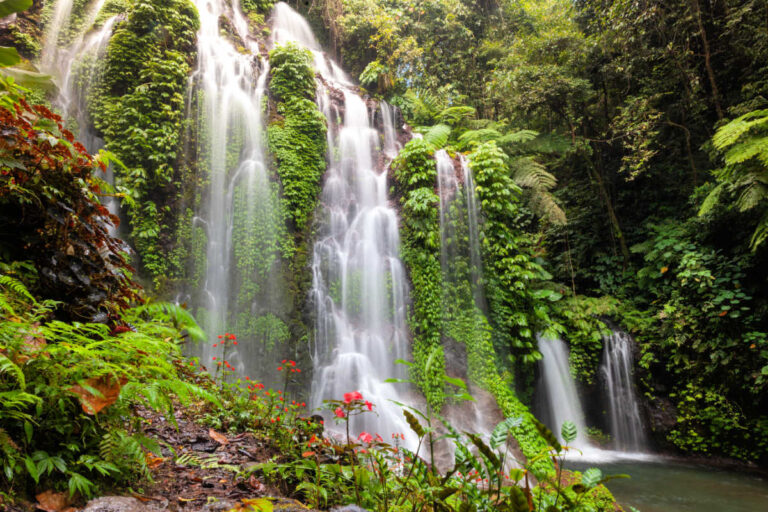
Outdoor activities are a major attraction in North Bali. Munduk provides access to several waterfalls, including Banyumala Twin Waterfalls and Sekumpul Waterfall.
Reaching these waterfalls often involves walking through lush valleys and agricultural landscapes, making the journey itself part of the experience.
On the coast, Lovina is known for early-morning dolphin-watching excursions. Traditional outrigger boats take visitors onto the calm morning waters in search of wild dolphins.

North Bali also has a growing café culture alongside its traditional food scene. The fertile volcanic environment supports coffee production, while coastal communities offer seafood and local Balinese dishes.
The Wilderness of West Bali: Coral Reefs and National Parks
West Bali offers a substantially different environment from the mountains of the north. Jembrana Regency and West Bali National Park contain protected forests, mangrove areas and marine environments where commercial tourism remains relatively limited.

The region is particularly suited to travelers looking for nature and a quieter experience. Accommodation includes eco-focused resorts, secluded coastal properties and options around Pemuteran.
West Bali National Park provides a setting where conservation and tourism are closely connected, while the surrounding communities offer visitors an opportunity to experience a less developed side of Bali.
Menjangan Island and West Bali’s Marine Life
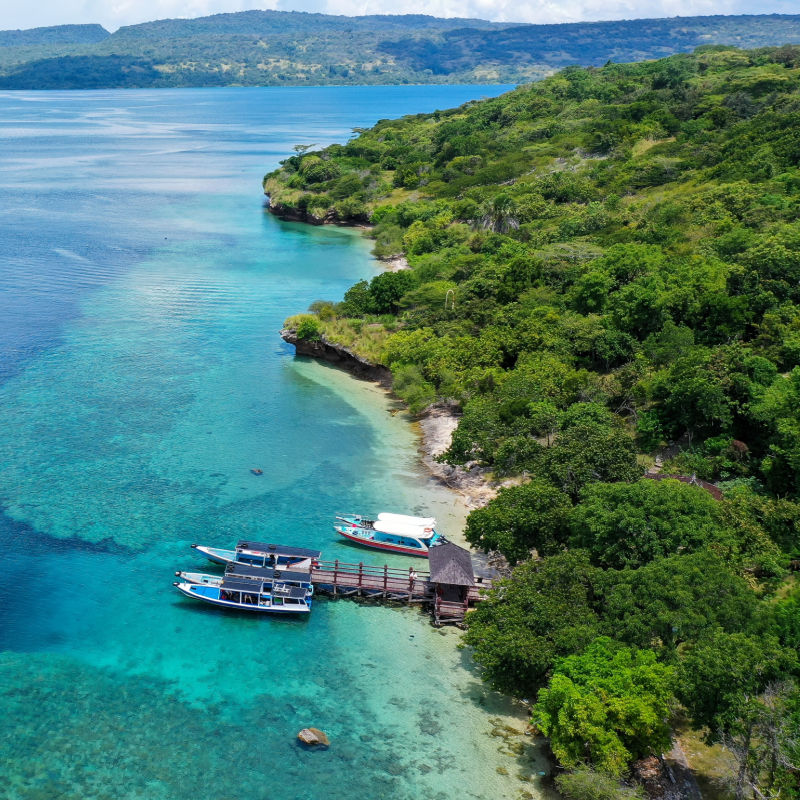
Menjangan Island is one of the major attractions in western Bali. The small island is part of the national park and is known for diving and snorkeling.

The surrounding waters feature underwater walls, coral gardens and marine life, making the area particularly appealing to divers and snorkelers.
Visitors can also explore the mainland through guided walks in the national park, where wildlife and protected forest environments provide a very different experience from the more developed tourist centers in southern Bali.
For travelers whose priority is marine exploration and wilderness rather than nightlife and commercial tourism, West Bali provides one of the island’s most distinctive alternatives.
Cultural and Natural Landmarks: North Versus West
Both North and West Bali contain important cultural and natural landmarks, but the character of the two regions is quite different.
In the north, the landscape around the lakes and mountains provides a setting for temples and spiritual sites surrounded by forests and mist.
Pura Ulun Danu Tamblingan is located beside Lake Tamblingan, while Brahmavihara-Arama provides another significant cultural destination in the northern highlands.

West Bali’s landmarks are more closely associated with the sea and rugged coastline. Pura Pulaki stands on the northwest coast, while Pura Rambut Siwi is located farther south near Negara.
These sites provide another reason to travel beyond Bali’s best-known southern tourist areas.
Travel Access and Practical Logistics
One of the main reasons North and West Bali have retained a quieter character is that they require more travel time from the island’s major southern tourism centers.
The source estimates that traveling from the international airport in the south to either region can take approximately three to four hours, depending on traffic and the chosen route.
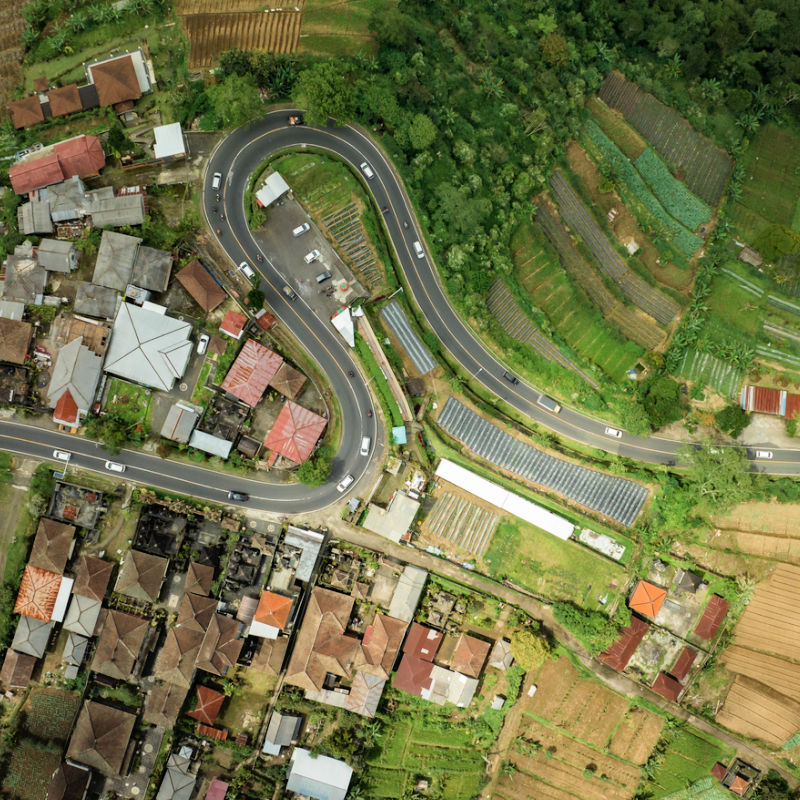
For North Bali, the route commonly passes through the central highlands around Bedugul. A private car with a professional driver can make the journey more convenient and allows travelers to stop at viewpoints, markets and other attractions along the way.
West Bali can be reached through the southwest coastal route, including areas around Medewi and Tabanan. Travelers coming from Ubud can also approach the west through the mountain routes around Pupuan.
Because ride-hailing services can become less available in remote mountain and national park areas, arranging transportation with a local driver or through accommodation providers can make regional exploration easier.
A More Affordable Side of Bali
The source also highlights that both regions can offer savings compared with the higher prices often found in Bali’s most developed southern destinations.
North Bali: Waterfall entry fees are described in the source as generally ranging from approximately $1.50 to $3.00.
West Bali: The source lists the West Bali National Park conservation permit at approximately $13.50 for foreign visitors.
Local products: Visitors can also support rural communities by purchasing locally produced items such as honey, spices, handicrafts and other agricultural products.
These lower-cost experiences can make the northern and western regions attractive to travelers who want to explore more of Bali without concentrating their entire trip around the island’s most expensive tourism districts.
North Bali or West Bali?
The better choice depends largely on the type of experience a traveler wants.
Choose North Bali if you want:
- Cooler mountain temperatures and highland scenery
- Waterfalls and trekking
- Volcanic landscapes and coffee-growing areas
- Lovina and northern coastal communities
- Cultural and spiritual attractions
- A quieter alternative to Ubud
Choose West Bali if you want:
- Greater wilderness and solitude
- West Bali National Park
- Snorkeling and diving
- Menjangan Island
- Eco-focused accommodation
- A less developed tourism environment
Why Not Visit Both?
Travelers with enough time do not necessarily have to choose between North and West Bali.
A multi-day road trip combining both regions could provide an opportunity to experience the island’s mountain landscapes, waterfalls, historic temples, coastal communities, protected forests and marine environments in a single journey.
This type of itinerary also offers a different perspective on Bali compared with a trip focused entirely on the southern resort areas.
North Bali is particularly attractive for mountain scenery, waterfalls and culture, while West Bali stands out for wilderness, marine life and solitude.
Best Bali Real Estate Perspective
From a Best Bali Real Estate perspective, the growing interest in North and West Bali is worth watching because these regions demonstrate that Bali’s appeal extends far beyond its established southern tourism centers.
For people considering a longer stay or property investment, this broader geographic perspective is important. Different parts of Bali offer very different lifestyles, levels of development, accessibility and proximity to tourism infrastructure.
North Bali can appeal to people who value cooler mountain environments, nature, traditional communities and a quieter coastal lifestyle. West Bali may be more attractive to those who prioritize privacy, conservation, marine activities and a stronger sense of being away from the main tourism corridors.
However, a quieter location also means that buyers need to pay particularly close attention to transportation, infrastructure, services, connectivity and the practical realities of living in a less developed tourism area.
For property buyers, the question is therefore not simply whether North or West Bali is “better.” The more important question is which location matches the lifestyle, accessibility and long-term goals of the individual buyer.

Discovering a Different Side of Bali
North and West Bali demonstrate how much variety exists beyond the island’s most familiar tourist neighborhoods.
The north combines highland scenery, waterfalls, coffee-growing areas, coastal communities and cultural attractions. The west offers protected forests, marine reserves, diving, snorkeling and some of Bali’s most secluded landscapes.
Both require more time and planning than staying in the main southern resort areas, but that additional journey is also part of what makes them appealing.
For travelers searching for a quieter and more adventurous Bali experience, there is no need to limit the trip to the island’s most famous destinations. North Bali offers waterfalls, mountains, culture and cooler highlands, while West Bali provides wilderness, marine experiences and solitude. For visitors with enough time, experiencing both regions can reveal a side of Bali that many holidaymakers never see.