
Indonesia’s Ministry of Transportation will inspect 2,140 vessels nationwide from November 1 to 30, 2026, as part of preparations for the Christmas 2026 and New Year 2027 holiday travel period.
The inspections will focus on maritime safety, passenger capacity, crew readiness and emergency equipment, with particular attention to tourist vessels and busy ferry crossings, including routes connecting Java and Bali.
Indonesia Prepares Maritime Safety Inspections for Year-End Holidays
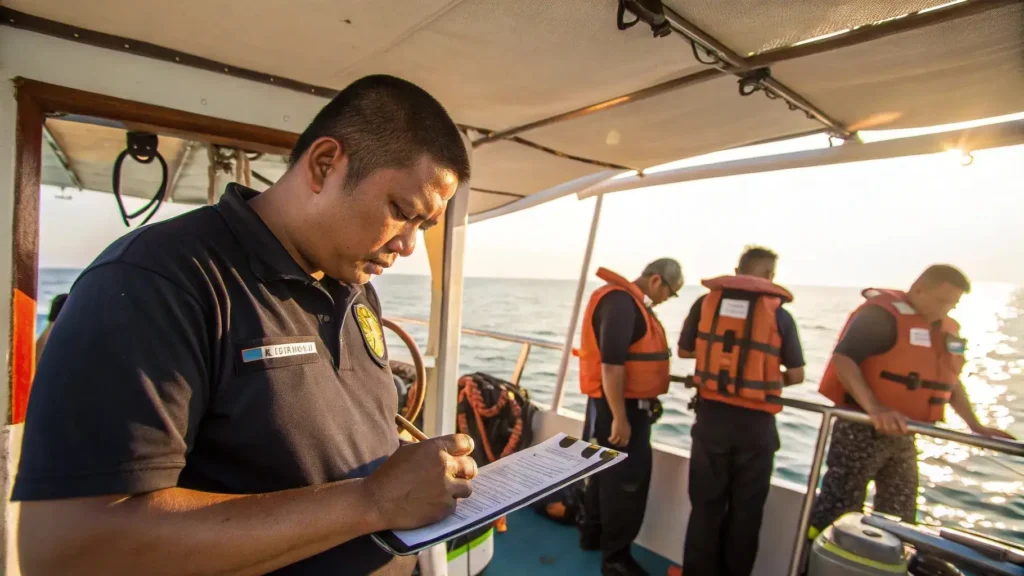 Indonesia’s Transportation Ministry has announced a nationwide vessel inspection programme ahead of the year-end holiday season, when maritime passenger traffic is expected to increase.
Acting Director General of Sea Transportation Samsuddin said the inspections will take place throughout November 2026 to ensure that vessels are ready to operate safely during the Christmas and New Year travel period.
“Through inspections of 2,140 vessels, we will ensure that vessel safety, crew arrangements, cargo loading, and safety equipment receive top priority before the ships are allowed to operate.”
— Samsuddin, Acting Director General of Sea Transportation
The inspections form part of the government’s preparations to reduce maritime safety risks during one of Indonesia’s major domestic travel periods.
2,140 Vessels Scheduled for Inspection
According to operational data recorded as of October 30, 2026, the ministry plans to inspect vessels across six categories.
Vessels Included in the November 2026 Inspection Programme
- 511 passenger ships serving maritime passenger routes.
- 63 long-distance roll-on/roll-off (Ro-Ro) vessels transporting passengers and vehicles.
- 460 Ro-Ro ferries operating ferry crossings.
- 162 traditional vessels used for maritime transportation.
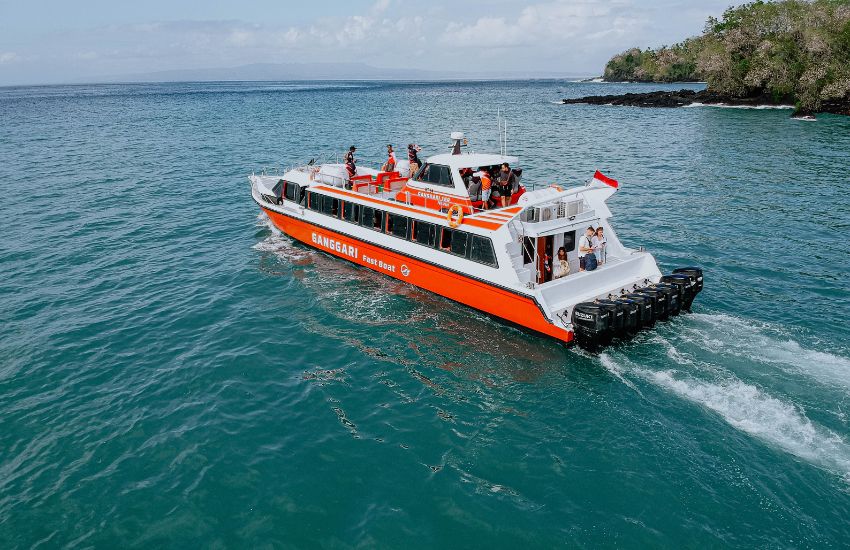
- 821 tourist vessels serving tourism-related marine activities.
- 123 high-speed craft providing fast maritime transport services.
Total: 2,140 vessels.
The inclusion of 821 tourist vessels is particularly relevant to destinations such as Bali, where boat excursions and inter-island passenger services form an important part of tourism transportation.
Safety Equipment, Crew Qualifications and Passenger Capacity to Be Checked
The inspection programme will assess a wide range of operational and safety requirements.
According to Samsuddin, inspections will cover vessel safety, pollution prevention, crew qualifications, load lines, cargo loading, crew welfare, passenger health, vessel legal status, and safety and security management systems.
Authorities will also examine the condition and availability of essential emergency equipment.

Key Maritime Safety Inspection Areas
- Life-saving equipment, including life jackets and other emergency devices.
- Firefighting systems and onboard fire safety arrangements.
- Emergency evacuation routes and procedures.
- Passenger capacity limits and loading controls.
- Crew qualifications and operational readiness.
- Cargo loading and vessel load-line compliance.
- Passenger health and crew welfare.
- Vessel documentation and legal operating status.
- Pollution prevention and safety management systems.
- Preparations for adverse weather conditions.
These checks are intended to help reduce the risk of maritime accidents during the holiday period, particularly when passenger demand and vessel activity may be higher than usual.
Tourist Boats Must Pass Inspections Before Sailing
Tourist vessels will be subject to direct inspections before operating as part of the requirements for obtaining a Sailing Approval Letter (Surat Persetujuan Berlayar, or SPB).
The ministry said passenger capacity must comply with the results of on-site inspections.
This requirement is particularly relevant to marine tourism activities, including sightseeing trips, snorkeling excursions and other tourist boat services.
For passengers, the inspection programme places additional emphasis on ensuring that vessels meet safety requirements before departing.
 Java–Bali Ferry Crossings Included in Holiday Preparations
 Java–Bali Ferry Crossings Included in Holiday Preparations
The Transportation Ministry will also assess the readiness of ferry infrastructure and vessels on routes expected to experience heavy traffic during the Christmas and New Year holidays.
One of the key areas under consideration is the Ketapang–Gilimanuk ferry crossing, which connects East Java with western Bali.
The crossing is an important transportation link for vehicles, goods and passengers travelling between Java and Bali.
To help manage potential congestion, authorities are considering alternative ferry routes that could supplement existing services.
Three Alternative Java–Bali Ferry Routes Under Consideration
Samsuddin identified three possible alternative routes that could be used to help reduce pressure on the Ketapang–Gilimanuk crossing.
Proposed Alternative Ferry Routes
- Jangkar – Celukan Bawang: Connecting East Java with North Bali.
- Tanjung Wangi – Celukan Bawang: Another potential connection between East Java and North Bali.
- Jangkar – Padang Bai: A possible connection between East Java and Bali’s eastern port area.
The proposed alternatives could provide additional options for managing vehicle and passenger movements during periods of heavy demand.
However, the ministry has not confirmed that these routes will operate during the upcoming holiday period.
Alternative Routes Depend on Port and Vessel Readiness
According to Samsuddin, implementation of the proposed ferry routes will depend on several operational factors.
These include the readiness of port facilities, the availability of suitable vessels, supporting operational arrangements and the results of further coordination between the relevant authorities.
Final decisions will determine whether any of the alternative services can be introduced for the holiday travel period.
Important for Java–Bali Travellers: The Jangkar–Celukan Bawang, Tanjung Wangi–Celukan Bawang and Jangkar–Padang Bai routes are being considered as alternatives. Their operation has not yet been confirmed.
What This Means for Travellers Visiting Bali
The November inspection programme is intended to improve maritime readiness ahead of the Christmas 2026 and New Year 2027 travel season.
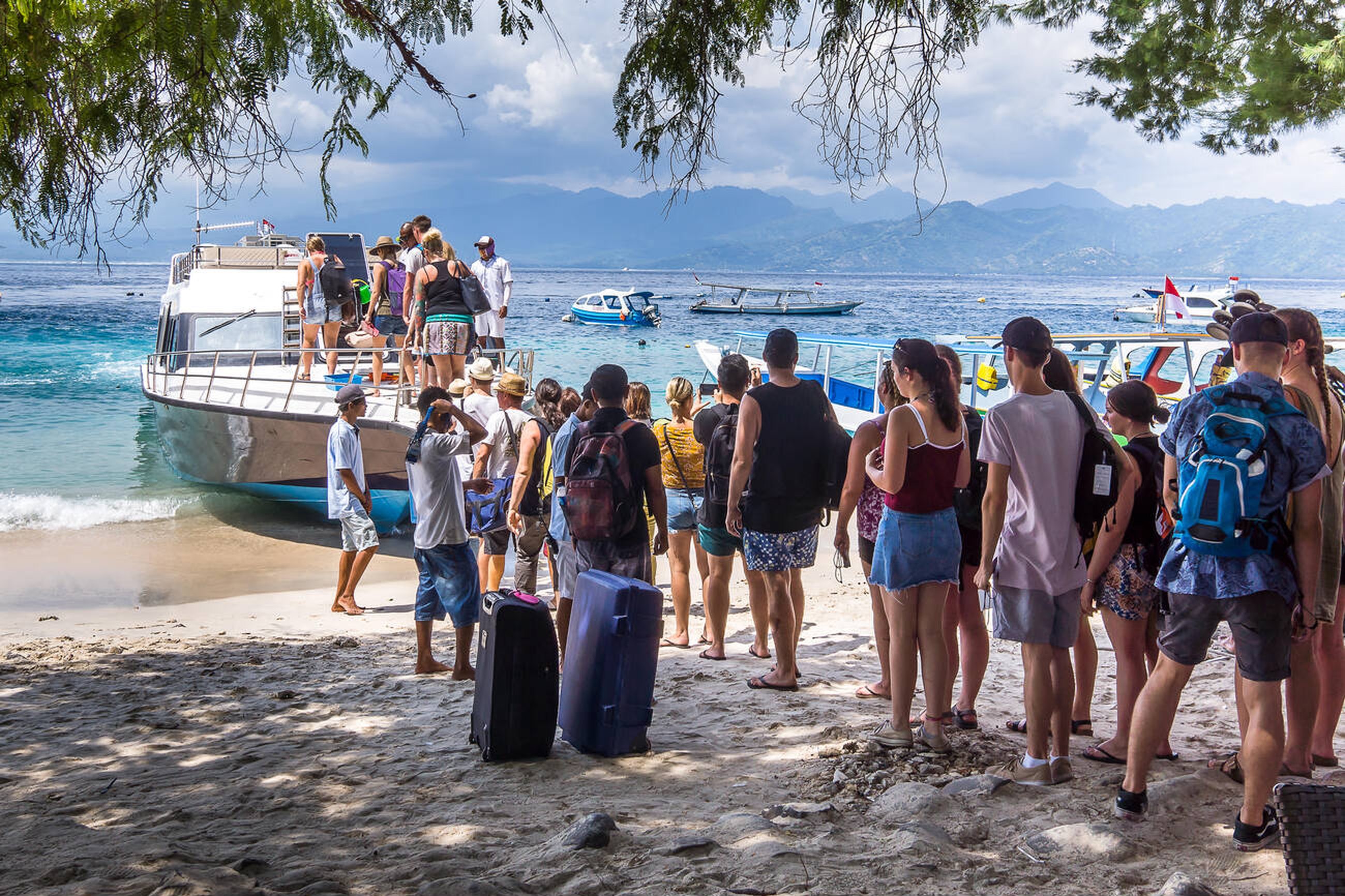
For visitors using tourist boats, inter-island ferries or high-speed craft, the inspections are designed to ensure that safety equipment, vessel conditions and passenger limits meet applicable requirements.
For travellers entering or leaving Bali by road and ferry, the ministry’s preparations also address potential congestion at the Ketapang–Gilimanuk crossing.
Passengers should continue to check confirmed sailing schedules, weather conditions and official ferry operator announcements before travelling, particularly during periods of heavy demand or adverse weather.
Maritime Safety a Priority for the Holiday Season
With 2,140 vessels scheduled for inspection throughout November, Indonesia’s Transportation Ministry is preparing for increased maritime activity during the year-end holidays.
The programme covers passenger ships, ferries, traditional vessels, tourist boats and high-speed craft, with checks focusing on operational readiness and passenger safety.
Alongside the inspections, authorities are reviewing ferry infrastructure and possible alternative Java–Bali routes to support smoother transportation during the holiday season.
The final impact of these measures will depend on inspection results, operational readiness and subsequent decisions by transportation authorities.