Indonesia is promoting the Kura-Kura Bali Special Economic Zone, or SEZ, as a potential
regional hub for artificial intelligence research, semiconductor development and digital
innovation.
The initiative is being supported by growing technological and economic cooperation between
Indonesia and China, with the Kura-Kura Bali SEZ positioned as a location for academic
development, industrial collaboration and future digital-economy projects.
Kura-Kura Bali Takes On A New Technology Role
Acting Secretary-General of the National SEZ Council and Deputy for Commerce and Digital Economy
Coordination at the Coordinating Ministry for Economic Affairs, Ali Murtopo Simbolon, highlighted
the strategic role of the Kura-Kura Bali SEZ in supporting technological innovation.
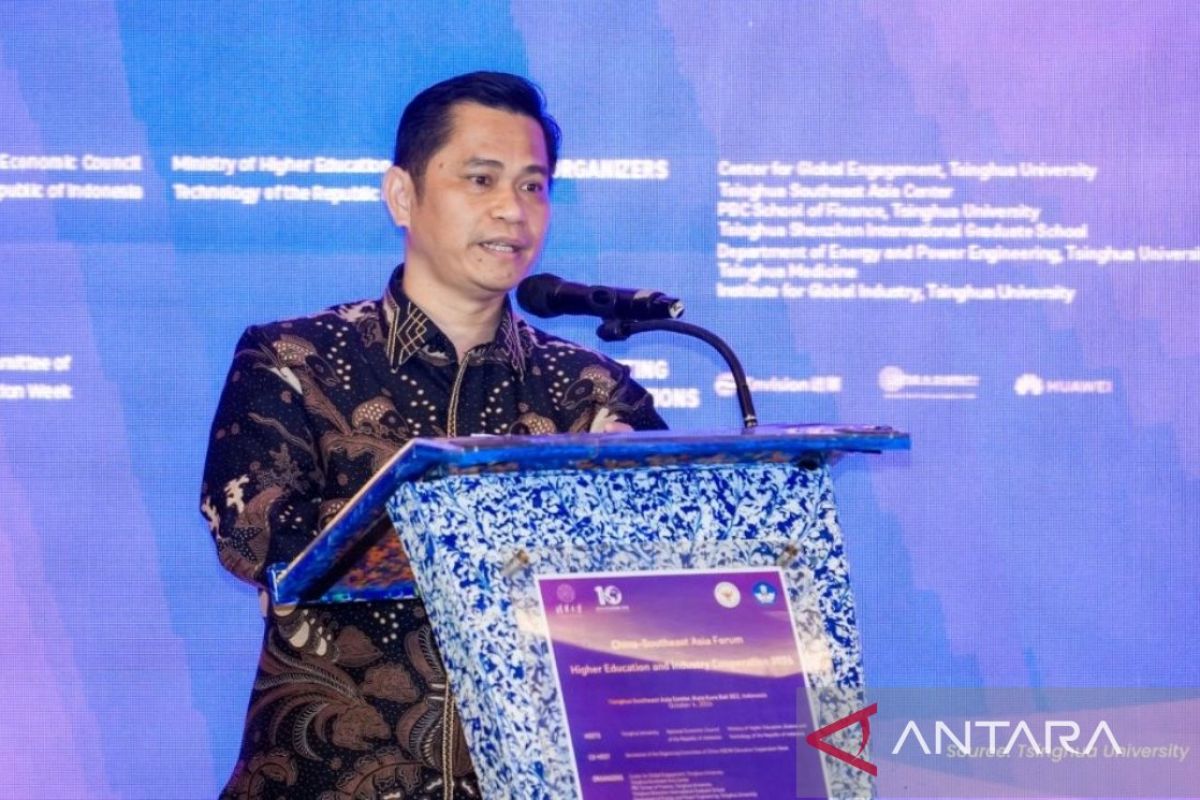
Speaking at the China-Southeast Asia Forum on Higher Education and Industry Cooperation 2026 at
the Kura-Kura Bali SEZ, Ali described Indonesia as offering a secure environment for academic
development and industrial collaboration.
beyond a conventional investment zone toward a potential centre for research, technology and
digital-economy activity.
Tsinghua Southeast Asia Center Already Conducting Research
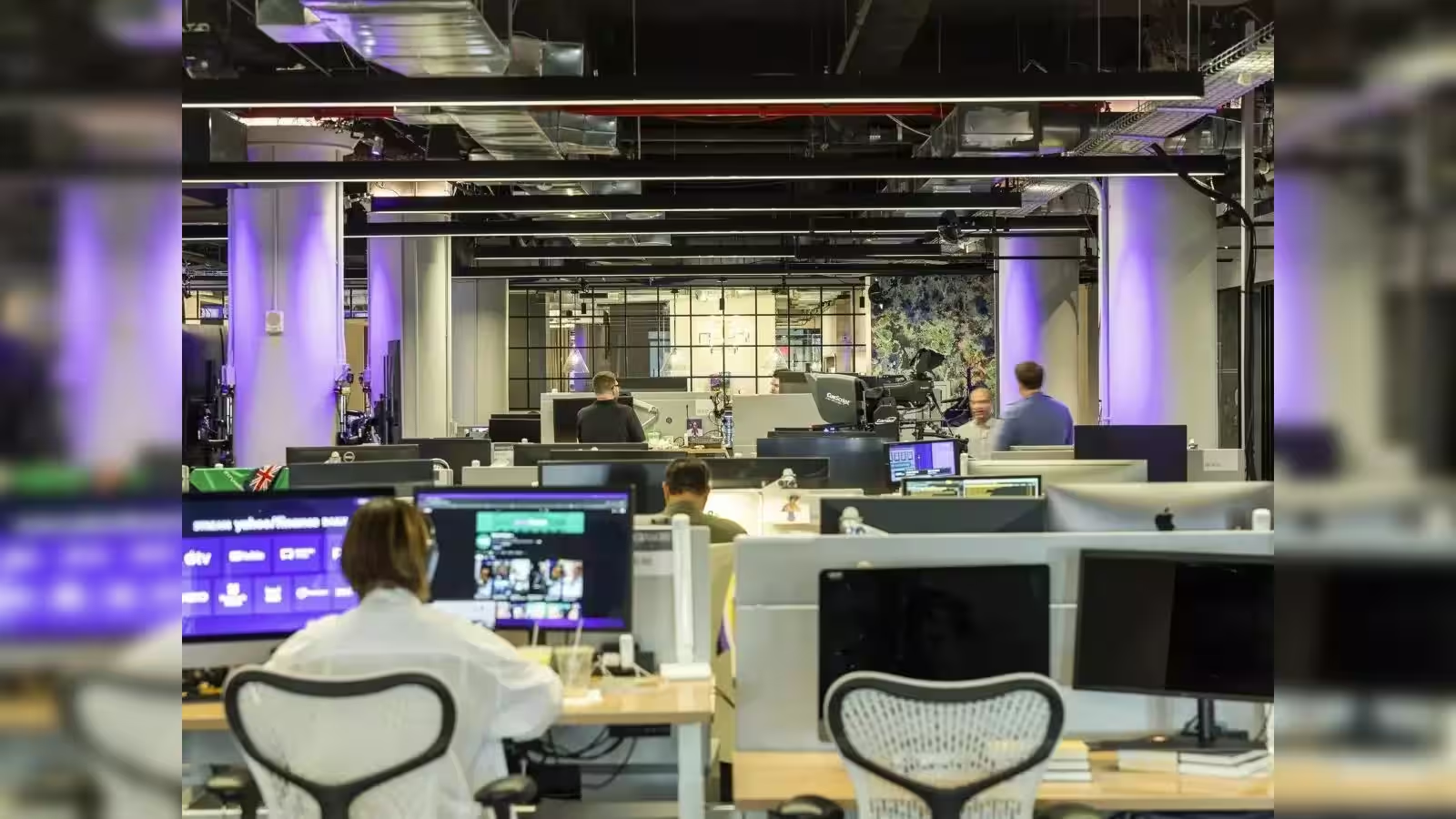
The Tsinghua Southeast Asia Center, or TSEA, has already introduced foundational research programs
in physics and neuroscience at the Kura-Kura Bali SEZ.
The centre has also launched a dedicated semiconductor forum in partnership with Beijing’s
Tsinghua University.
Future initiatives are expected to focus on scaling up digital research and development,
artificial intelligence applications and broader projects connected to the digital economy.
Growing Chinese Participation In Indonesia’s SEZs
The technology initiative at Kura-Kura Bali comes as Chinese business participation across
Indonesia’s Special Economic Zones continues to expand.
Chinese participation: As of the second quarter of 2026, 97 of the
481 tenant entities operating within Indonesian SEZs were Chinese enterprises.
Number of Indonesian SEZs: 25
Total SEZ area: Approximately 23,797.88 hectares
Cumulative investment: US$20.7 billion
Business entities: 481
Jobs generated: More than 283,000
Kura-Kura Bali’s Investment And Visitor Numbers
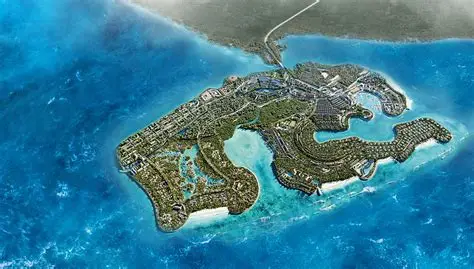
The Kura-Kura Bali SEZ has already recorded significant economic activity. During the first half
of 2026, the zone recorded cumulative realized investment of Rp1.8 trillion, equivalent to around
US$101.12 million.
The SEZ had also created 2,173 jobs and welcomed 131,657 visitors during the same period.
Rp1.8 trillion in cumulative realized investment
2,173 jobs created
131,657 visitors
Indonesia And China Expand The Two Countries Twin Parks Initiative
Indonesia and China are also strengthening industrial integration through the Two Countries Twin
Parks, or TCTP, initiative.
The framework is designed to combine Indonesia’s natural resources and large domestic market with
China’s investment capital and technological expertise.
The objective is to support the development of higher-value manufacturing and digital
infrastructure.

Technology Transfer Could Be A Major Focus
According to Ali, future cooperation between Indonesia and China should go beyond investment
alone.
The government wants cooperation to include technology transfer, joint research, human resource
development and the strengthening of Indonesia’s national industrial capacity.
If successfully developed, these areas could help connect investment in Indonesia with longer-term
development of local technological skills and industrial capabilities.
What This Could Mean For Bali
The Kura-Kura Bali SEZ is already positioned as an important investment and visitor destination,
but the emphasis on artificial intelligence, semiconductor research and digital infrastructure
gives the project a potentially broader role in Bali’s economy.
Rather than relying exclusively on tourism, the development points toward a more diversified
economic model in which education, research, technology and international business cooperation
become increasingly important parts of Bali’s economic landscape.
The combination of technology-focused investment and international academic partnerships could
also create new opportunities for skilled employment and professional activity in Bali.

Best Bali Real Estate Perspective
From a real estate perspective, developments such as the Kura-Kura Bali SEZ are important because
major economic projects can influence how surrounding areas are used and how they develop over
time.
A growing technology and research ecosystem can bring professionals, researchers, entrepreneurs,
students and business visitors to an area. This can create demand for accommodation, residential
property, restaurants, services and other supporting businesses.
However, the long-term property impact will depend on how successfully the technology ecosystem
develops. The announcement itself does not establish future property values or guarantee a
particular level of demand.
combination of tourism, education, technology, research and international investment could create
a broader economic base for the island over the long term.
Our View
Kura-Kura Bali is increasingly being positioned as more than a conventional Special Economic
Zone. Its emerging focus on artificial intelligence, semiconductor research, digital
development and international academic cooperation could give it an important role in Bali’s
future economic development.
The next stage will be particularly important. If planned technology-transfer, research and
human-resource initiatives translate into lasting local capabilities, Kura-Kura Bali could
become an important example of how Bali expands beyond its traditional tourism economy.