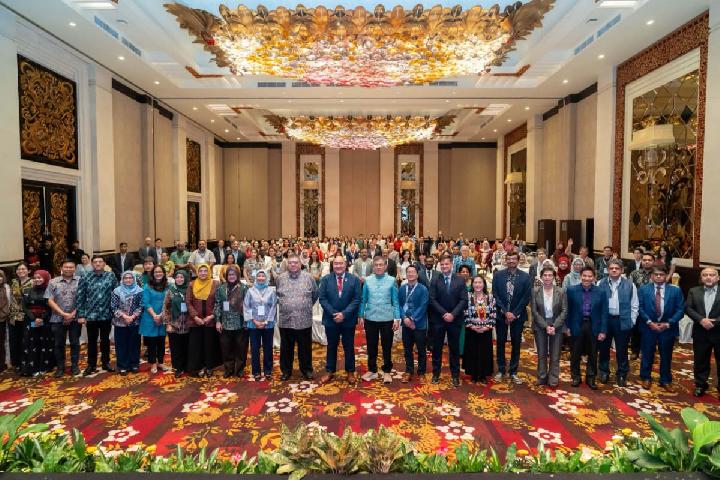
Bali is once again attracting international attention, this time as the host of an important regional healthcare conference bringing together representatives from 22 countries across the Asia-Pacific.
The four-day gathering is focused on improving healthcare education, supporting medical professionals and exploring how technology can help deliver better healthcare services throughout the region.
From November 2–5, 2026, Indonesia is hosting the 14th Asia Pacific Action Alliance on Human Resources for Health (AAAH) Conference, bringing together approximately 200 participants, including government policymakers, healthcare professionals, educators and international development partners.
The conference is being organized by Indonesia’s Ministry of Health in collaboration with the Asia Pacific Action Alliance on Human Resources for Health.
Its theme, “Building the Future Health Workforce: Connecting Governance, Education, and Digital Transformation for a Sustainable Health System,” reflects the growing importance of international cooperation in improving healthcare.
22 Countries Working Toward Better Healthcare
The conference brings together a network that has grown considerably since the alliance was established in 2005 with just 10 member countries.
Today, the AAAH represents 22 countries across the Asia-Pacific region, working with governments, universities, civil society organizations and development partners to strengthen healthcare systems.
The discussions in Bali are particularly important because many countries are facing similar challenges, including shortages of qualified healthcare professionals, unequal access to medical services and the growing demands of aging populations.
Three Important Priorities for the Future
The conference is centered on three major areas that could help improve healthcare services across the region.
1. Stronger Healthcare Leadership and Governance
The first priority is improving how healthcare systems are planned, managed and supported.
This includes better coordination between government departments, healthcare institutions and other organizations involved in delivering medical services.
Stronger leadership and planning can help countries make better use of available resources and address shortages in areas where medical services are most needed.
2. Better Education and Support for Healthcare Workers
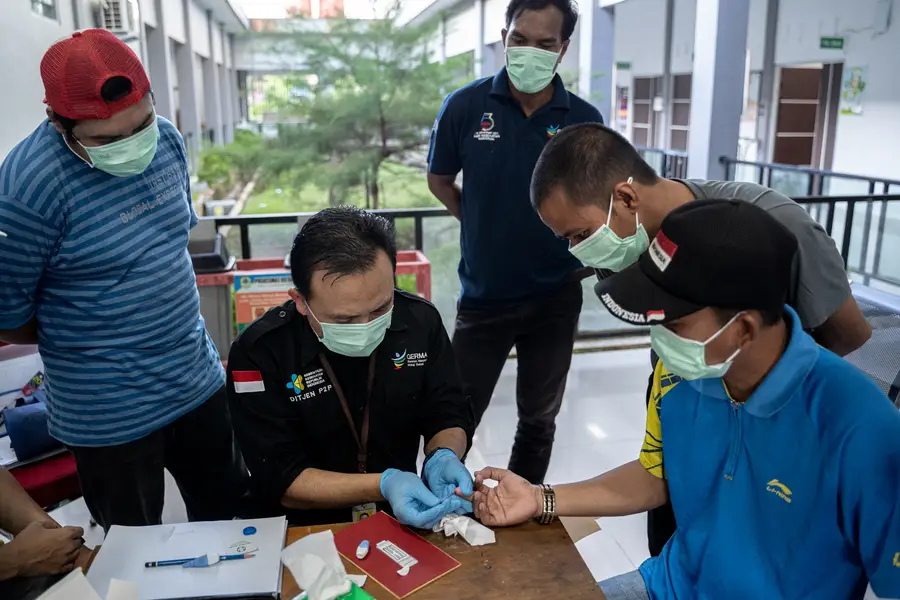 The second priority focuses on improving medical education, professional development and the well-being of healthcare workers.
Healthcare professionals are essential to every community. However, they increasingly face demanding working conditions, growing patient needs and complex medical challenges.
The conference emphasizes the importance of providing healthcare workers with proper training, safe working environments, career development opportunities and support throughout their professional lives.
3. Digital Technology and Modern Healthcare
The third priority is the growing role of technology in healthcare.
Discussions include the responsible use of telemedicine and electronic medical records, which can help healthcare providers communicate more effectively, manage patient information and improve access to medical services.
These developments could be particularly valuable for communities located far from major hospitals or specialist medical facilities.

Why Digital Healthcare Matters
- Improved access to medical consultations
- More efficient management of patient records
- Better communication between healthcare providers
- Greater opportunities to serve remote communities
- More effective planning for future healthcare needs
Indonesia Highlights the Need for More Equal Healthcare Access
For Indonesia, one of the biggest challenges is ensuring that qualified healthcare professionals are available throughout the country, including in remote and less-developed regions.
According to figures from the Ministry of Health cited in the conference report, approximately 37% of community health centers do not have all nine priority categories of healthcare personnel.
Meanwhile, approximately 41% of regional public hospitals at the regency and city level have yet to meet the qualification requirements for seven core medical specialties.
These figures demonstrate why healthcare workforce planning is so important for a country as geographically diverse as Indonesia.
To help address the situation, the Ministry of Health is using its Health Human Resources Information System to map the distribution of medical professionals and estimate future workforce requirements.
Particular attention is being given to areas facing significant shortages, including Papua, East Nusa Tenggara and Maluku.
A Message About the Importance of Healthcare Professionals
 WHO Regional Director for the Western Pacific, Dr. Saia Ma’u Piukala, also emphasized the importance of protecting and supporting healthcare professionals.
He highlighted the trust that patients place in doctors, nurses and other medical workers, explaining that healthcare systems must provide professionals with decent working conditions, opportunities for career development and appropriate support.
His message is particularly relevant as countries prepare for the healthcare challenges of the coming decades.
Globally, the shortage of healthcare workers is projected to reach approximately 10 million by 2030, with low- and middle-income countries expected to face particularly serious difficulties.
Why Hosting This Conference Matters for Bali
While the main purpose of the gathering is to improve healthcare systems, hosting an international conference of this size also provides an opportunity for Bali to welcome professionals and representatives from across the Asia-Pacific.
International conferences bring together visitors who come for professional discussions, networking and collaboration, while also experiencing the destination hosting the event.
This is another example of Bali’s role as a destination for more than traditional leisure tourism.
The island continues to host international meetings and gatherings that bring together people from different countries, industries and professional backgrounds.
Looking Toward a Healthier Future

The conference runs through November 5, with its discussions intended to produce recommendations for improving healthcare workforce planning, supporting medical professionals and expanding the responsible use of digital technology.
Although these discussions will not solve regional healthcare shortages overnight, international cooperation can help countries share successful approaches and develop more effective long-term strategies.
For Indonesia, the opportunity is especially important as it continues working toward more equal access to quality medical services across its many islands.
And for Bali, hosting this international gathering is another reminder that the island has an important place on the regional stage — not only as a world-famous holiday destination, but also as a meeting point for international cooperation and ideas that could improve lives.
Conference information and healthcare statistics are based on the report published by Tempo.co on November 3, 2026.