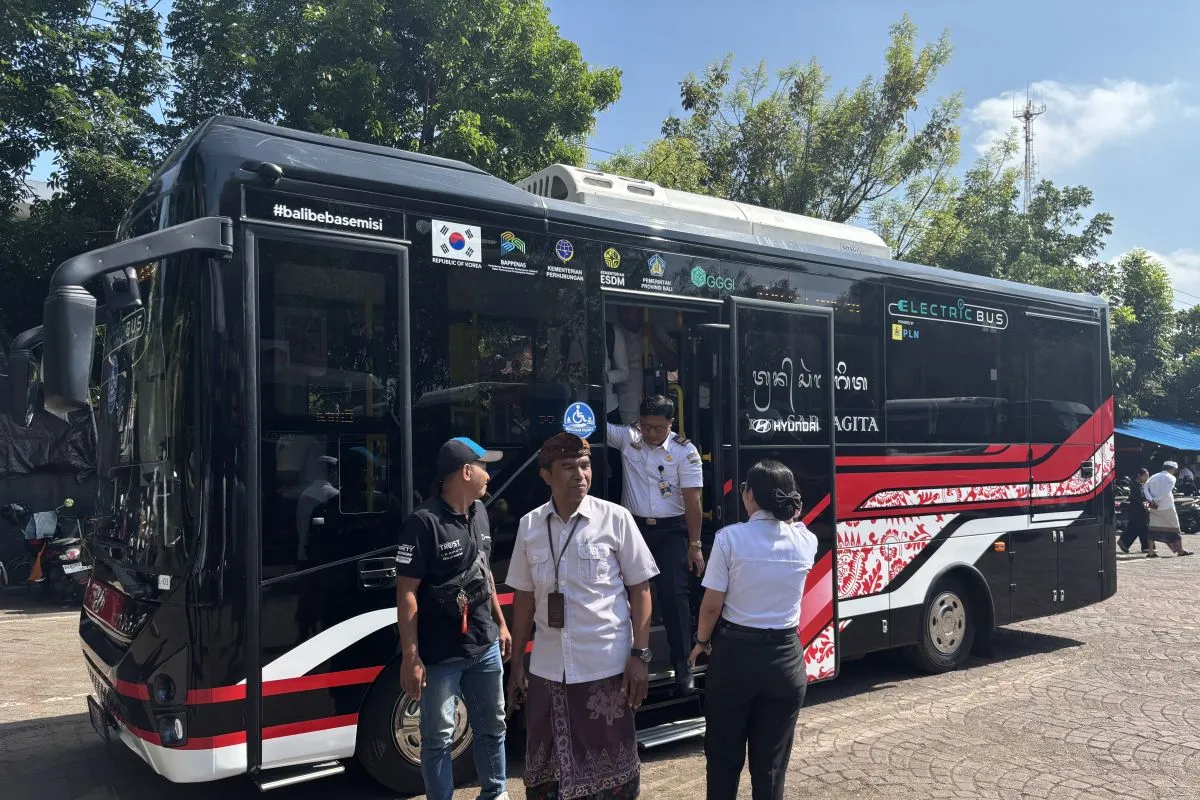
Bali’s new electric public bus service is already attracting considerable interest, with more than 6,000 passengers using the buses during their first two weeks of trial operations. The encouraging response offers a positive sign for efforts to make getting around Bali easier, more comfortable and environmentally friendly for both residents and visitors.
More Than 6,000 Passengers in Just 14 Days
 The electric bus trial, which began on November 9, recorded a total of 6,127 passengers during its first 14 days, averaging approximately 438 passengers per day. Ridership continued to grow during the trial, reaching 553 passengers on November 19.
The growing number of passengers suggests that people are interested in having more transportation choices in Bali, particularly alternatives that allow them to travel without needing to drive themselves or rent a motorbike.
 Connecting Denpasar With the GWK Area
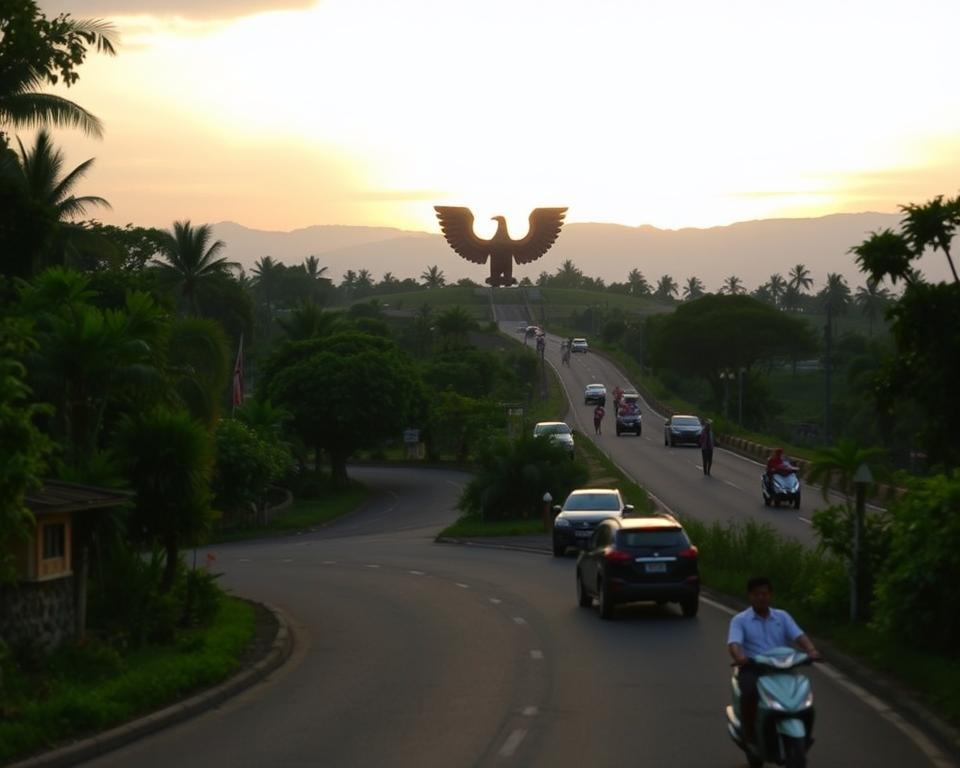
The service operates between GOR Ngurah Rai in Denpasar and Garuda Wisnu Kencana (GWK) in the Jimbaran area. Along the route, buses serve numerous stops connecting several parts of Denpasar with southern Bali.
The route passes through areas including Renon, Sesetan, the By Pass Ngurah Rai corridor, Jimbaran and the University of Udayana area, providing an additional transportation option for people traveling between these locations.
A More Convenient Way to Explore Bali
 For visitors, public transportation can offer an alternative to navigating Bali’s busy roads independently. Air-conditioned buses and organized routes may be particularly appealing to travelers who prefer not to ride scooters or deal with traffic themselves.
The trial service is currently free, with plans for the free service to continue for at least one year. This gives passengers an opportunity to try a different way of traveling around parts of Bali while the new transportation system develops.
Supporting a Greener Future for Bali
The electric buses are also part of a broader effort to introduce cleaner transportation across the island. Electric vehicles produce no exhaust emissions directly from their tailpipes, helping reduce roadside pollution and offering quieter journeys compared with conventional diesel buses.
The trial currently operates with 10 buses each day and one reserve vehicle. With passenger numbers already showing encouraging results, the service offers an opportunity to demonstrate how modern public transportation could contribute to a more convenient and sustainable Bali.
A Welcome Step Toward Easier Travel
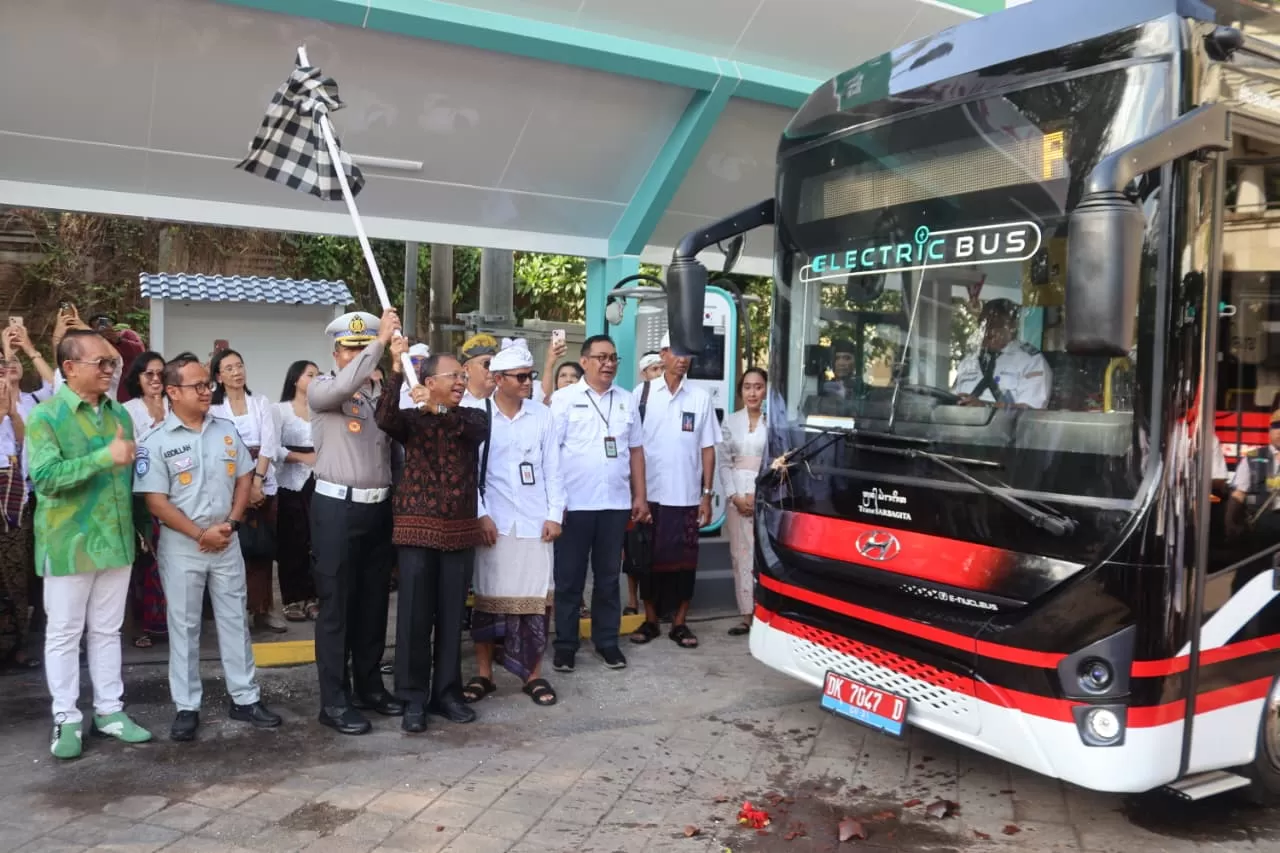 As Bali continues welcoming visitors from around the world, improving transportation choices is an important part of making the island easier to explore. Whether traveling for sightseeing, shopping, appointments or visiting attractions, having additional ways to get around can make a difference to the overall visitor experience.
The encouraging response to the electric bus trial is a positive development for Bali and a promising step toward more convenient, comfortable and environmentally friendly transportation in the years ahead.